Water dispenser advice for primary schools: safety, accessibility and Ofsted expectations
Access to drinking water is a small but essential part of a successful primary school. When pupils are properly hydrated, they can concentrate during lessons and are more likely to stay alert and energised throughout the school day.
For younger children, particularly those in reception and nursery settings, hydration also plays a role in establishing independence and healthy habits early on. But to guarantee these benefits, it’s important to choose water solutions and installation points that make it as easy as possible for children to hydrate.
In this guide, we offer practical advice on water dispensers for primary schools, covering what you must provide, specific needs of reception and nursery students, and Ofsted considerations.
Whole-school hydration needs - what primary schools must provide
Across all year groups, primary schools are expected to provide free, easily accessible drinking water throughout the day, as outlined in school food standards and EYFS guidance. While this sounds straightforward, in practice it requires careful planning.
In addition to guidance, there are also legal requirements schools must be aware of. The School Premises (England) Regulations 2012 state that schools must provide suitable, readily accessible drinking water facilities, and these must be maintained in good working order and clearly identified where appropriate.
For facilities managers and senior leadership teams, the following considerations are key to ensuring compliance while also maintaining a smooth daily routine:
-
Free and accessible drinking water - Pupils should be able to access water without barriers or needing to ask permission. This means having clearly designated points around the school, rather than relying on a single source.
-
Hygiene expectations - Traditional drinking fountains where pupils place their mouths close to the spout are still used, and can be the right choice in certain circumstances. However, where hygiene is a primary concern, bottle-filling stations and touchless or push-button dispensers are a safer alternative, particularly in busy environments. Combining drinking fountains and bottle fillers is often a suitable approach.
-
Capacity for busy periods - Breaktimes and lunchtimes create short windows where large numbers of pupils need access at once. Low-capacity units can quickly lead to queues, which discourages use, and, depending on the location, can cause congestion, preventing students in the area from passing freely, even if they’re not trying to use the dispenser.
-
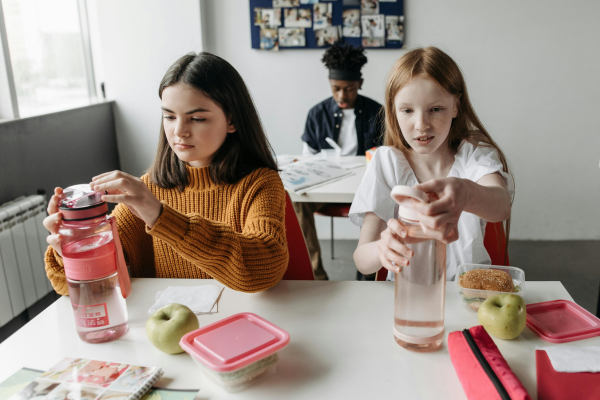
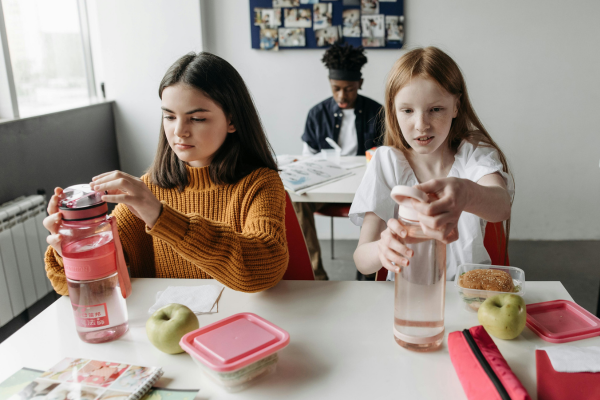
Bottle-friendly infrastructure - Most schools now encourage pupils to bring reusable bottles. Dispensers should be designed to accommodate this, with sufficient clearance and flow rate to fill bottles quickly and safely. This helps both the school and pupils reduce reliance on plastics and contribute towards sustainability goals.
Special considerations for reception and younger pupils (EYFS)
In early years settings, your decisions should centre on usability for young children. Here are some key considerations:
-
Height-appropriate access - Units must be suitable for younger children, either through low-height installation or dedicated models designed for nursery and reception use. Schools should also consider accessibility more broadly, ensuring compliance with the Equality Act 2010 so that pupils with disabilities can access water just as easily as their peers.
-
Simple, intuitive operation - Simple controls are key for young children. In most cases, push-button dispensers work extremely well, as they’re intuitive, reliable and easy to operate. Sensor-operated options can also be effective, particularly where minimising touchpoints is a priority, but they are not essential for most primary settings.
-
Smooth surfaces and rounded edges - In busy nursery and Reception environments, safety is just as important as usability. Dispensers with smooth edges and rounded corners help reduce the risk of bumps or minor injuries, particularly in tighter classroom spaces or areas where pupils gather quickly during free-flow activities.
-
Hygiene and design - Avoiding mouth contact is especially important in nursery environments. Bottle fillers or shielded spouts help reduce the risk of cross-contamination.
-
Supervision and visibility - Water points should be placed where staff can easily supervise use. This helps prevent misuse, reduces mess, and ensures pupils are using the facilities correctly.
-
Encouraging independence - Providing safe access to water supports key EYFS goals, including self-care and independence. Activities such as children pouring drinking water from a jug in a nursery setting can complement fixed dispensers, but both should be managed with hygiene in mind.
-
Managing spills and practicalities - Spill-proof bottles and steady flow rates can make a significant difference in keeping classroom environments safe and manageable.
Practical water dispenser advice for primary schools
Beyond compliance, the right setup can make day-to-day school life much easier. A well-planned setup will usually pay for itself in reduced disruption and easier day-to-day management.
Where to place water dispensers in primary schools
School water dispensers should be installed where there’s likely to be a demand for water, and where they can be accessed easily at various times throughout the school day.
The best hydration points in primary schools tend to include:
-
Corridors between classrooms
-
Near or within dining halls
-
Close to playground entrances
-
Sports halls and activity areas
Placing water dispensers at these locations helps spread demand and reduces pressure on any single unit.
Existing water infrastructure and layout can be a limitation when deciding on the best possible installation points, but even if you think the perfect spot isn’t viable, we’d recommend reaching out to us with the details; we’ve got a track record of making challenging installations work!
For example, we had to navigate a tricky confined space to install two water dispensers in a high traffic area of Isleworth Syon School in West London. Read the full case study.
How to minimise queuing for water in primary schools
Installing multiple dispensers in high-traffic areas is often more effective than relying on one larger unit. At Sutton Valance School in Kent, we fitted a total of 44 units to ensure smooth movement across the site.
With two or more dispensers, you have more options for managing queues, e.g. two shorter queues, one longer but faster moving queue, etc.
Alternatively, there are single-unit options that come with multiple service points, providing similar efficiency benefits without multiple installations. For example, the CWS BF 489 can be installed with between 1 and 5 taps!
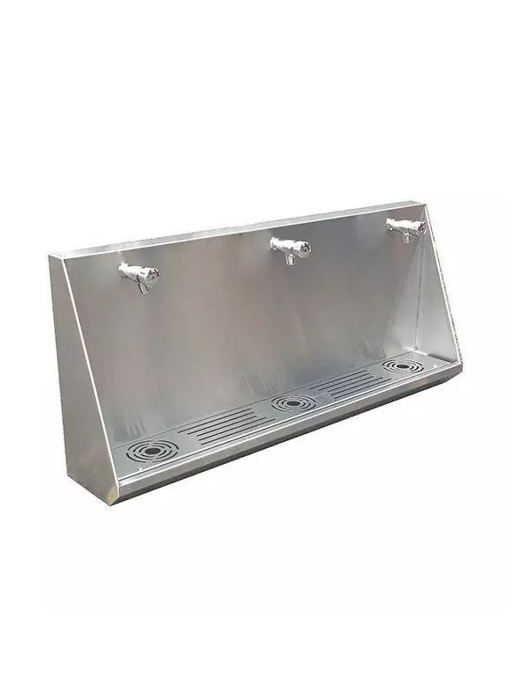
This helps if you want to keep the queues moving fast but concentrated to one particular zone.
Higher capacity dispensers are also a must for keeping queues down in heavy foot traffic areas of the school. These units are designed to deliver a consistent flow of chilled drinking water, even during short, high-demand periods such as breaktime and lunch.
Unlike lower-capacity models, which can slow down or temporarily run out of cooled water after repeated use, higher capacity systems are connected directly to the mains supply and use larger internal chilling tanks or more powerful cooling systems. This allows them to refill and re-cool water continuously.
Many also feature fast-fill bottle stations, enabling pupils to refill bottles in a matter of seconds rather than waiting for slower spouts. In practice, this can significantly reduce bottlenecks, particularly in busy areas like corridors or near dining spaces.
It’s also worth outlining when and where bottles can be refilled. Staggering access during lesson transitions or breaktimes can help reduce pressure on dispensers and minimise queues.
Where possible, mains-fed systems are typically preferred over tanked water supplies, as they are easier to maintain to a high standard and reduce the risk of water quality issues over time.
Dispenser durability matters in primary schools
Primary school environments can be demanding. Equipment is used frequently, often in quick succession, and not always gently. For that reason, durability should be a key consideration when selecting water dispensers.
Vandal-resistant designs, robust materials and simple controls tend to perform better over time and reduce maintenance needs. Units with reinforced outer casings, tamper-resistant buttons and minimal exposed components are less likely to suffer damage during busy periods or unstructured times like break and lunch.
It’s also worth considering how easy a dispenser is to clean and maintain. Smooth surfaces, integrated drip trays and accessible internal components can make a noticeable difference for site staff managing day-to-day upkeep.
In higher traffic areas, durability becomes even more important. A unit that is temporarily out of service can lead to congestion around other units.
Furthermore, it's essential that any plumbing work or installations are carried out by qualified professionals, and that fittings meet recognised standards such as WRAS approval to help safeguard water quality.
Bottle policies across KS1 and KS2
Consistency helps. Clear guidance on bottle types, storage and use reduces confusion and supports better hygiene across the school.
In practice, this means setting simple, easy-to-follow rules for pupils and staff. For example, encouraging reusable bottles with secure, spill-resistant lids can help prevent leaks in classrooms and corridors, while also supporting wider sustainability goals.
Storage is another important factor. Whether bottles are kept on desks, in designated trays, or in shared classroom areas, having a consistent approach across KS1 and KS2 helps maintain order and reduces trip hazards.
How drinking water access supports Ofsted expectations
Rather than being a standalone requirement, access to drinking water sits within broader Ofsted expectations around welfare, safeguarding and the quality of the learning environment.
-
Statutory requirements - Schools are required to provide free drinking water at all times. This applies across all age groups, including early years settings.
-
Welfare and safeguarding - Hydration is part of pupil wellbeing. Inspectors may consider whether basic needs are being met consistently and safely.
-
Observation of routines - During inspections, breaktimes and transitions are often observed. Limited access to water, long queues or poorly maintained facilities can be noticeable.
-
Pupil voice - Inspectors may speak to pupils about their experience. Simple questions like “Can you get a drink when you need one?” can provide insight into how well systems are working.
-
Behaviour and wellbeing links - There is a clear connection between physical comfort and behaviour. Ensuring pupils can easily access water supports a calmer, more focused environment. Water access in schools is also linked to lower rates of obesity.
Recommended water dispensers for reception and primary settings
We have a dedicated selection of water dispensers for schools here, but different areas of a school often require different solutions, so here’s some advice to help you along on your search.
Best for Reception and EYFS
These models prioritise ease of use, safety and hygiene for younger children:
-
Lower-height units or adapted installations
-
Simple push-button or sensor operation
-
Hygienic dispensing
-
Moderate flow rates to reduce splashing
We’d recommend looking into the CWS DFBF 454 Junior as a start.
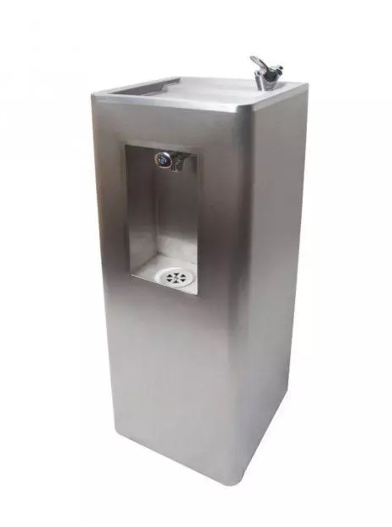
As its name suggests, the DFBF 454 Junior is a shorter unit, falling well under a metre in height, with a low down, recessed bottle filler, making access easy for young children. It has a shielded bubbler on top, preventing any direct mouth access while allowing for bottle-less hydration, perfect for younger children who don’t yet carry (or forget) their own refillable bottle.
It also features smooth surfaces and edges to prevent painful knocks or bumps, and an internal timed flow adjustment valve to minimise spills. Read more about the CWS DFBF 454 Junior.
Best for primary corridors and high-traffic areas
Mains fed water coolers are often a practical choice here, providing a consistent supply without the need for bottle replacements. You should also consider:
-
Fast bottle-filling functionality
-
Durable, vandal-resistant construction
-
Suitable for continuous use during peak periods
For most locations, particularly hallway and outdoor areas, we’d suggest taking a look at the CWS WM DFBF 461 or 464 to begin with.
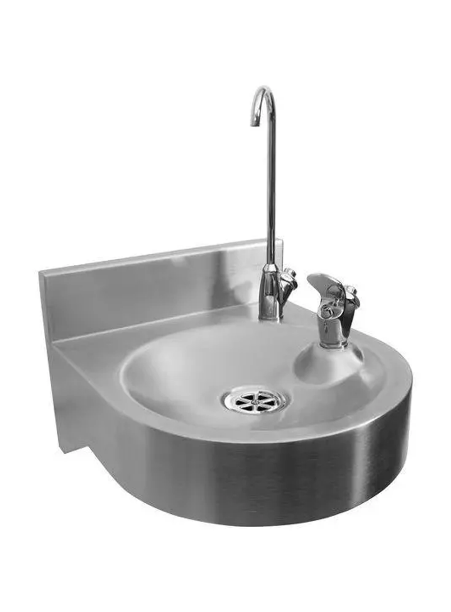
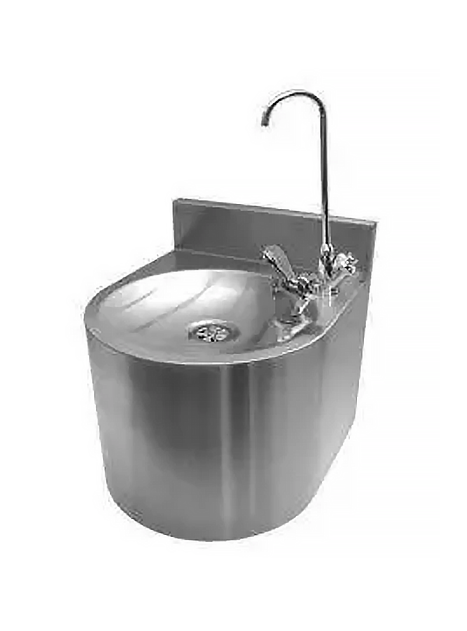
As wall-mounted units, they can both be installed lower down to accommodate specific school years, and the robust, vandal-resistant designs ensure long service life of heavy usage. Bubblers are shielded to prevent contamination, and the swan neck bottle fillers provide an efficient, easy-to-use way of cutting down on single-use plastics.
Browse our full range of water dispensers for schools.
Checklist: Is your primary school hydration-ready?
Use the following as a quick reference:
Whole-School
-
Drinking water is freely available throughout the day
-
Dispensers are spread across key locations
-
Units are hygienic and well maintained
-
Capacity meets demand during peak times
-
Systems support reusable bottles
EYFS / Reception
-
Water is available as part of continuous provision
-
Units are height-appropriate and easy to use
-
Hygiene is prioritised (no mouth contact)
-
Use is supervised where needed
-
Children are encouraged to access water independently
Hydrate your school with CWS
At CWS, we specialise in school hydration point installation, offering a full, hassle-free service to ensure students and staff alike have easy access to high quality water throughout the school year.
From initial consultation and site surveys through to flexible service and maintenance packages, we can provide the specific support you need to keep your school happy and hydrated.
Whether you’re ready to discuss your specific requirements or simply have a question, we’re here to help. Contact us today to get started.