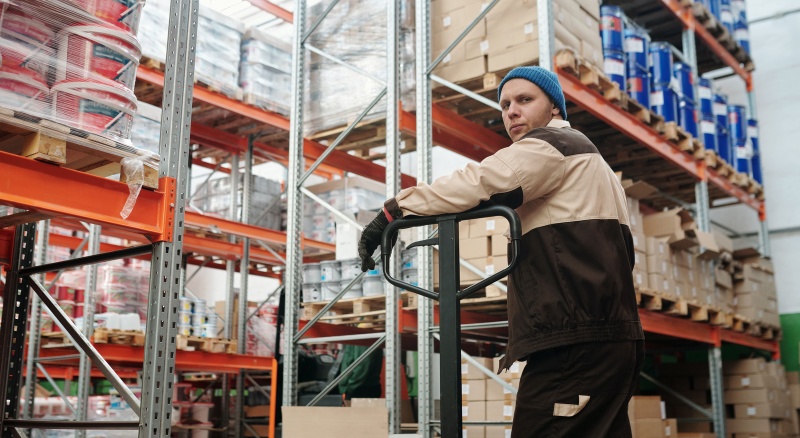
Temperature-controlled zones in warehouses may protect inventory, from fresh produce to pharmaceuticals, but they create a unique physical challenge for the people working inside them.
When we think about workplace dehydration, we usually picture hot summer days, heavy manual labour, or foundry work. Cold storage rarely springs to mind. Yet staff working in chill rooms and freezers are at a high risk of dehydration, and they may not realise it is happening.
This issue, often called "silent hydration", can quietly impact worker health, safety, and warehouse productivity.
What is silent dehydration?
Silent dehydration happens when a person’s body loses significant amounts of fluid without triggering the normal sensation of thirst.
Usually, as your body loses water, your brain signals that you need to drink. In cold environments, that warning system can be delayed. Workers lose fluids, but because they do not feel thirsty, they rarely reach for a drink.
As dehydration progresses, fatigue, headaches, or loss of focus set in, which can impact the health and morale of employees, as well as warehouse productivity. Learn more about the effects of dehydration.
Why cold storage workers are at risk of dehydration
It may seem counterintuitive, but In a cold storage setup, several physiological and practical factors combine to cause fluid loss.
1. Respiratory fluid loss
Cold store air cannot hold much moisture; it is naturally dry. Every time a worker breathes out, that moisture leaves the body as visible vapor. This type of fluid loss often goes entirely unnoticed.
2. High metabolic burn
Walking miles per shift across large facilities while wearing thick thermal PPE causes extra exertion. The body works harder simply to keep core temperatures stable and move the extra weight, burning energy and consuming water reserves at a faster rate.
3. Travel friction and time pressure
If the nearest water point is in a main canteen hundreds of meters away, workers naturally avoid taking breaks. Unzipping heavy gear, walking across large site footprints, and worrying about falling behind on pick-rate KPIs mean hydration gets postponed until the end of a shift.
4. Cold water refusal
Standard mains-fed water coolers dispense water at chilled temperatures. When a worker is already shivering after hours in a freezer room, the last thing they want to drink is ice-cold water. Workers naturally reject cold drinks when chilled, driving their daily fluid intake down to unsafe levels.
You can learn more about cold weather dehydration in our dedicated guide: Is your organisation ready to prevent cold weather dehydration?
The solution: Provisioning warm hydration near the work area
The most effective way to improve fluid intake in temperature-controlled facilities is to offer specialised hot water sources close to cold zones, giving staff access to warm water, tea, or coffee during short shift breathers.
Hot or warm drinks are often more appealing during work in cold environments such as temperature controlled warehouses, encouraging healthy hydration throughout shifts.
However, standard kitchen appliances aren't built for the warehouse floor. Kettles create safety hazards, take too long to boil, and cause PAT testing headaches. Standard boilers aren't always suited for industrial environments either.
Related - Hot water dispensers vs kettles: Everything you need to know
When choosing a hot water dispenser for cold store environments, facilities managers should look for three key features:
-
Footprint efficiency: Space along warehouse perimeters or in warming hubs is tight. Wall-mounted units keep floor space and walkways clear for forklifts and picking trolleys.
-
Zero steam emissions: Excess steam in or near temperature-controlled zones creates condensation, which can turn into ice on floors and ceilings. This presents slip risks and fogs up picking screens.
-
Industrial safety: Commercial units with safety locks and strict temperature controls prevent scalds, offering a far safer setup than staff boiling kettles on makeshift tables.
The CWS Eclipse 2W3: Built for warehouse spaces
If you need a reliable, space-saving hot water source for cold storage outer zones, the Eclipse 2W3 wall-mounted hot water boiler is ideal.
Designed specifically for demanding environments, the Eclipse 2W3 attaches directly to the wall to keep floor space 100% clear. Crucially for cold storage and packing environments, it features a specialised steam recycling system that condenses steam internally. This means zero steam escapes into your facility, protecting your floors from ice buildup and keeping your equipment moisture-free.
Plumbed directly into the mains, it delivers a continuous supply of piping hot water on demand, removing the downtime of waiting for kettles to boil and ensuring your team can hydrate quickly during fast breaks.
Learn more about the CWS Eclipse 2W3.
Simple, practical hydration with CWS
Keeping your cold store team safe, alert, and healthy doesn't require a complex overhaul of your operations. Small changes, like installing a commercial water boiler for warehouse warming hubs, can make a notable difference to daily productivity and staff wellbeing.
At Cactus Water Systems, we help facility and operations managers find practical solutions tailored to their site layout. Whether you need a single wall-mounted boiler or an estate-wide installation plan, we provide a hassle-free approach to hydration.
Explore our full range of water dispensers for warehouses or contact us today for advice. We’re always happy to help.