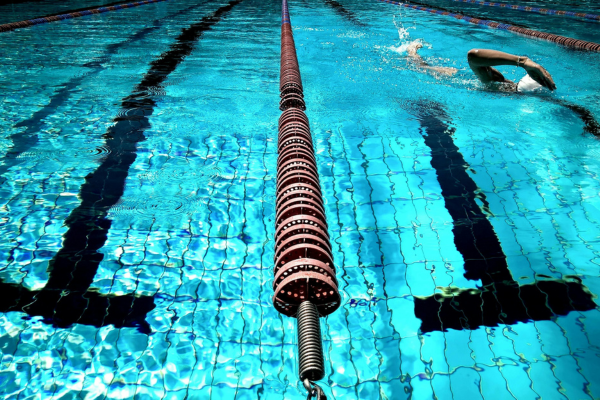
Public leisure centres are currently facing several challenges, with rising energy bills and budget cuts straining services and operations. As swimming pools are consistently the most expensive facility to run, they attract much of the energy saving focus - and rightly so.
However, while pool plant room upgrades offer the biggest 'macro' savings, hydration points offer an easy 'micro' win with almost zero downtime. Outdated models can quietly drain energy, waste water, and increase ongoing maintenance costs. Individually, these inefficiencies are small, but across a large facility or multiple sites they contribute to higher running costs over time.
In this post, we calculate the potential savings public centre leisure centres can make by upgrading their water dispensers.
How much can leisure centres save with modern water dispensers?
How much you can reduce your leisure centre energy bill by investing in modern water dispensers depends entirely on your current setup. The older the hydration points are, the more likely that they’re efficient compared to today’s standards.
In many centres, legacy units run continuously, using more electricity than necessary to chill or heat water throughout the day. Newer dispensers, by contrast, typically feature better insulation, more efficient compressors, and on-demand heating systems that only use energy when water is actually being drawn.
While the savings from a single unit may be modest, the cumulative impact can be meaningful, especially for multi-site operators or facilities with several hydration points spread across pools, gyms, studios, and staff areas.
Lower energy use, reduced water waste, and fewer maintenance callouts all contribute to a more predictable and cost-effective operation over time.
Looking at an example baseline: The multi-unit leisure centre
To forecast potential savings, we used a mid-sized leisure centre as our baseline. This centre has the following hydration points, all running for 14 hours a day (7:00 am to 9:00 pm), 7 days a week, for 50 weeks per year (accounting for two weeks of planned shutdown/reduced hours).
- Assumed UK commercial electricity rate: £0.25 per kWh (a conservative mid-range commercial unit rate).
- Assumed bottled water cost: £8.00 per 18.9L bottle including delivery.
- Assumed mains-fed annual service cost: While service contracts are dependent on the specific type of unit (as bottle filling stations and boiling taps often require more intensive maintenance than standard coolers), we have used a collective figure of £700.00 to cover the modern suite.
Annual running cost comparison (baseline vs. modern)
|
Cost Component |
Current Old Setup (Kettle, Bottled Cooler, 2 x Old Fountains) |
Modern New Setup (Boiling Tap, Mains-Fed Cooler, 2 x Bottle Fillers) |
Annual Saving |
|
Electricity Cost (3,675 kWh vs 1,435 kWh) |
£918.75 |
£358.75 |
£560.00 |
|
Water Supply & Service Cost |
£1,000.00 (For Bottled Water/Delivery) |
£700.00 (Annual Service Contracts) |
£300.00 |
|
TOTAL Annual Running Cost |
£1,918.75 |
£1,058.75 |
That gives our hypothetical leisure centre annual savings of £860. While this covers only a very modest portion of a total energy bill, these savings are often enough to fully recover the initial upgrade costs within the first few years.
Once that payback period is reached, every pound saved goes directly back into your operating budget, providing a permanent boost to your facility's financial efficiency.
So should public leisure centres consider upgrading outdated hydration points?
In most cases, yes, but it should be viewed only as a supporting efficiency measure.
Upgrading outdated water dispensing equipment will not solve the major cost pressures facing public leisure centres on its own. Large energy consumers such as pool plant, heating, ventilation, and lighting will always deliver the biggest savings.
However, modernising hydration points is often one of the simplest and lowest-risk upgrades available. Where centres are still using bottled water coolers, continuously heated kettles, or ageing fountains, the inefficiencies add up quietly over time.
Browse our range of water dispensers for leisure centres.
The strongest case for upgrading exists where:
- Equipment is more than a decade old
- Bottled water is still in regular use
- Centres operate multiple hydration points or multiple sites
- Budgets are tight and quick payback projects are needed
But it’s also important to remember that, as shown in many of our case studies, energy savings aren’t the only benefit of modernising water dispensers.
How modern hydration equipment supports wider sustainability and efficiency goals
On top of energy-saving benefits, leisure centre water dispensing upgrades help to:
Reduce plastic waste
By reducing reliance on bottled water, centres can cut down on single-use plastic, lower carbon emissions from delivery logistics, and support broader net-zero objectives. This can help leisure centres demonstrate environmental responsibility to their communities, potentially increasing footfall.
Reduce water waste
Modern water dispensers use water more efficiently than older units, reducing waste from overfilling, leaks, or spillage. While savings on water bills are modest compared with energy, they contribute to overall operational efficiency.
Enhance visitor experience
Fast, reliable, and hygienic water access improves the experience for swimmers and other visitors. Touch-free or easy-fill stations encourage healthy hydration habits while reducing queuing and frustration.
This can build strong word-of-mouth support, with your water dispensers directly increasing interest in your facilities, just as they do for private gyms.
Improve staff satisfaction and health
Modern hydration points provide swift, easy access to clean, filtered water for staff, helping maintain energy, focus and overall wellbeing, even during busy shifts.
What’s more, reliable dispensers reduce the time staff spend managing bottled water deliveries or troubleshooting old machines. And the hygienic features of modern dispensers help to control the spread of germs, helping to reduce sick days.
Start saving with a Cactus Water System
Modern hydration equipment may seem minor, but it’s a cost-effective, low-disruption way to support energy efficiency, reduce waste, and enhance visitor and staff experience. Savings can be reinvested into core services, helping to boost public interest and keep money coming through the day.
CWS can support centres with seamless installation, service, and ongoing maintenance, ensuring upgrades deliver maximum value with minimal disruption. Browse our hydration solutions for leisure centres, or contact us today to discuss your needs. We’re always happy to help!